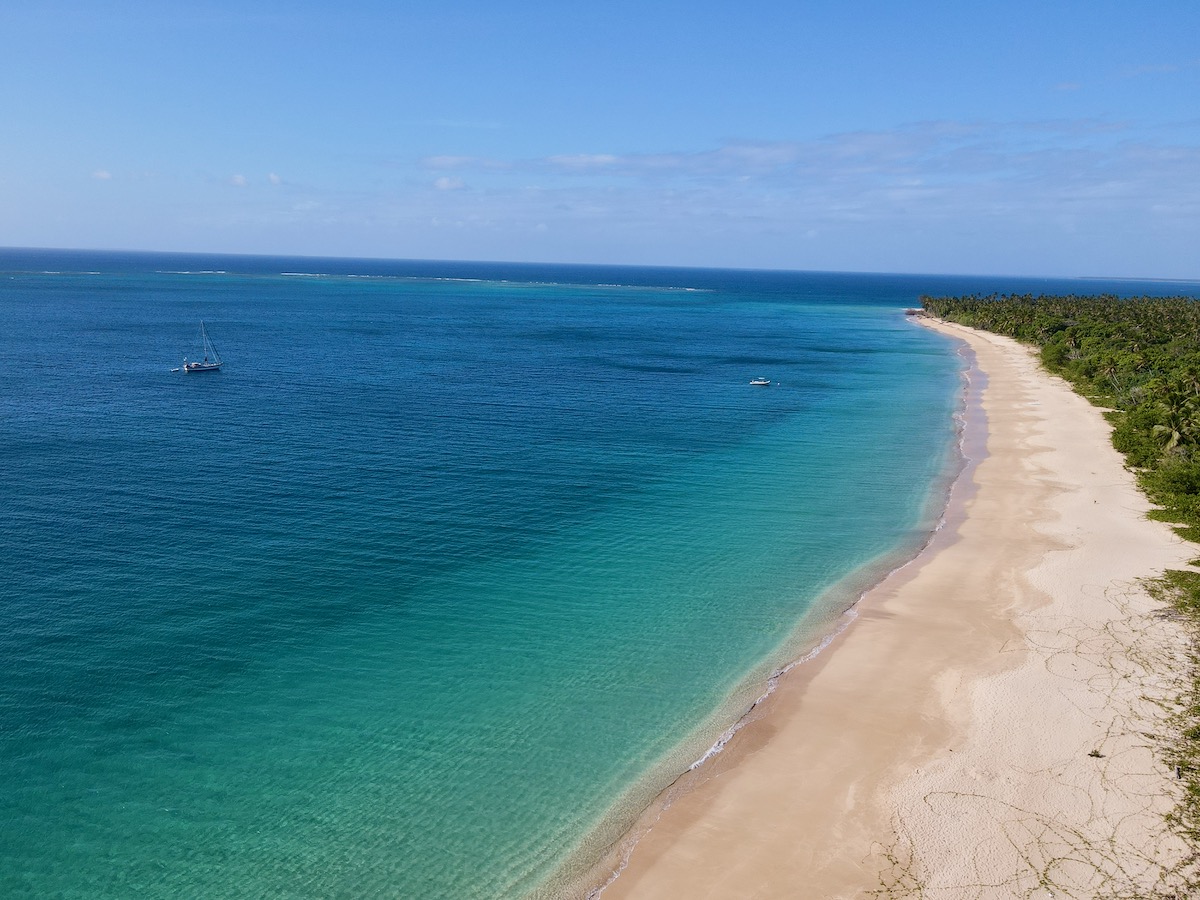
We like Stuff That Works. In fact, the original title for this post was Stuff We Like but I changed the title just before publishing it. I usually write about things I like but this post is different. Stuff That Works is about stuff that has gotten us this far on our trip. Things that have worked well.
I’ve always believed it’s important to give credit where credit is due, so this is a way for me to acknowledge those people, sites and software that have made this trip possible.
We are in no way claiming to be experts. We are learning all the time. Most days I feel like an amateur at best but then, we have sailed over 12,000 nautical miles at this point, so I guess we have learned a few things. Take what we say, sift it through your own experience and understandings and make your own decisions.
We like a lot of stuff. There’s too much to write about in one post. Besides, I don’t have the attention span to write anything comprehensive. Therefore, we will write a series of posts. They will be written in no particular order and without a timeline. I’ll use the tag #stuffwelike and #stuffthatworks so readers can use the tag(s) to find all that we’ve written on the topic. Today, I’ll highlight some of the cruising guides or information sources we use to cross the South Pacific.

The traditional paper-based cruising guides we’ve found are dated. We have South Pacific Anchorages by Warwick Clay on board and we do refer to it but it was published in 2001. Some of the information is helpful but we have to be careful when using it. The rocks and reefs likely haven’t moved since it was written but information regarding navigation aids or what’s available in the villages on shore is likely inaccurate.
The useful guides we use, the ones that work are the Compendiums. They are compiled and hosted by Sherry and Dave McCampbell of SV Soggy Paws. They contain most of the information one would find in a traditional cruising guide and are regularly updated by cruisers. Think of them like Wikipedia but in PDF form, so once downloaded, one doesn’t need an internet connection to access them. They are very useful.
For the most part, they are text-based. They have very few images which makes them different from other cruising guides we’ve used. I miss the photos and chartlets that other cruising guides contain but I understand why they are not included in the Compendiums. Photos and chartlets are good when entering an unfamiliar anchorage but people add GPS waypoints for anchorages to the compendiums which is helpful. I add the GPS waypoints to our charting software which makes them as useful as chartlets. It is an added step but it works.
Some Compendiums are more extensive than others. They are created by cruisers so it makes sense that there is more information on the more popular cruising areas. For example, French Polynesia has been divided into several Compendiums based on island groups–the Marquesas, the Tuamotus etc. They even have one devoted to Weather in the region. In contrast, the Cook Islands, American and Western Samoa and Niue are combined into one Compendium.
As I mentioned, they are updated regularly so we make sure to download the most recent versions when we have a good internet connection.
Noonsite is another site that we use regularly. We don’t use if for information about anchorages. Rather, we use it to find out about new regulations and the process for clearing in and out of countries. We usually double check the information with what’s available at each country’s own website but Noonsite is a very useful starting point. So far, we’ve found the information accurate. There is a small subscription fee for the service but it’s worth it.
Between the compendiums and Noonsite we successfully made it across the Pacific to New Zealand. There are more sites that we use. I’ll elaborate on them in future posts. I can’t sit still any longer.
 Cormacks On Cambria
Your latest blog reminded me of this song.
LikeLiked by 1 person
Thanks, Chris. We’ll have a listen when we get some bandwidth 🙂
LikeLike
Thanks for the helpful post! I look forward to following ones.
LikeLike
Hopefully, you will find them useful as you plan your trip this way.
LikeLike
Happy new year from Beijing, China, my dear friends! Many loves
LikeLike